

Key Takeaways
A heart-supportive eating pattern is built from ordinary foods chosen consistently, not from one perfect meal.
- Include fish, beans, whole grains, vegetables, fruit, nuts, and seeds regularly.
- Favor unsaturated fats such as olive oil and avocado over heavily saturated choices.
- Use low-sodium ingredients and read labels when buying packaged foods.
- Choose low-fat dairy or fortified alternatives that fit your nutritional needs.
- Let variety, sensible portions, and steady habits guide your meals.
1. Fatty fish rich in omega-3s
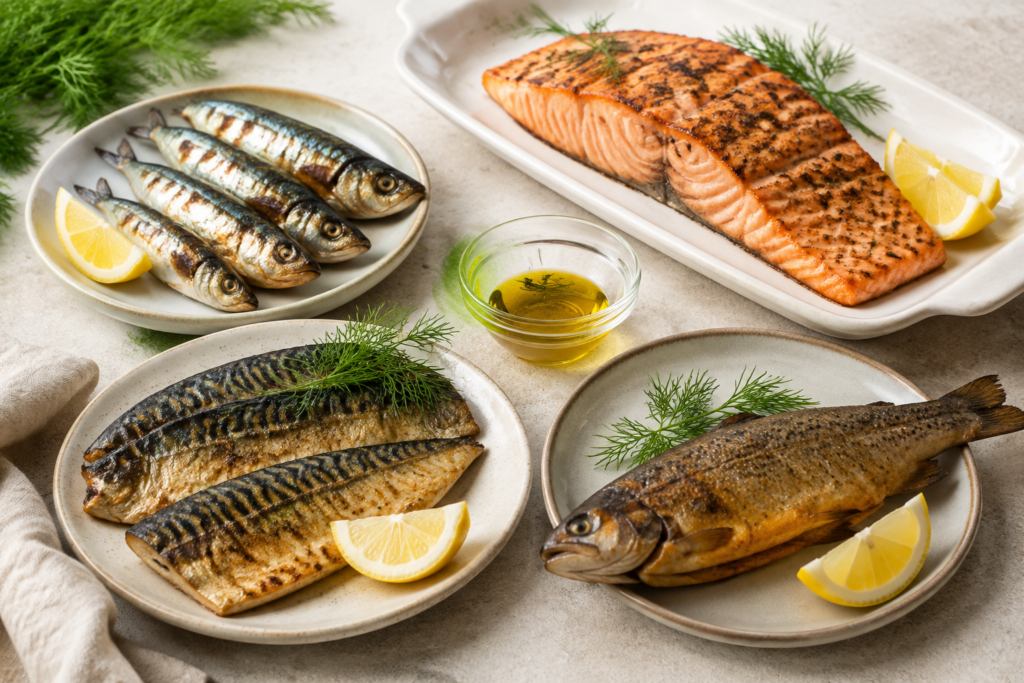
Salmon, sardines, trout, herring, and mackerel are practical choices when you want more seafood in your routine. They provide protein along with omega-3 fats, making them a satisfying centerpiece for lunch or dinner. Fresh, frozen, or canned fish can all work, depending on your budget and schedule.
A simple preparation keeps the focus on the food: bake a fillet with lemon, add canned salmon to a bean salad, or serve sardines on whole-grain toast. Watch the sodium in canned, smoked, or seasoned products, and compare labels when several options are available. The goal is not a restaurant-style dish every time, but a repeatable meal you will actually make.
Fish fits naturally into a broader pattern that also includes vegetables, fruit, whole grains, and plant-based proteins. Guidance on heart-healthy eating plans can help you think beyond isolated nutrients and make practical choices at the store. If you do not eat fish, beans, lentils, nuts, and seeds can still provide useful plant-based protein.
2. Leafy green vegetables
Spinach, kale, collards, romaine, and Swiss chard bring color and texture to meals without requiring much preparation. They can be eaten raw, quickly sautéed, folded into eggs, or stirred into soups near the end of cooking. Keeping washed greens in the refrigerator makes it easier to add a handful when dinner feels incomplete.
Leafy greens also help make a plate feel generous. Pair them with beans, grilled fish, brown rice, or a baked potato, then finish with a small amount of olive oil and vinegar. That combination offers more staying power than a salad built almost entirely from dressing and toppings.
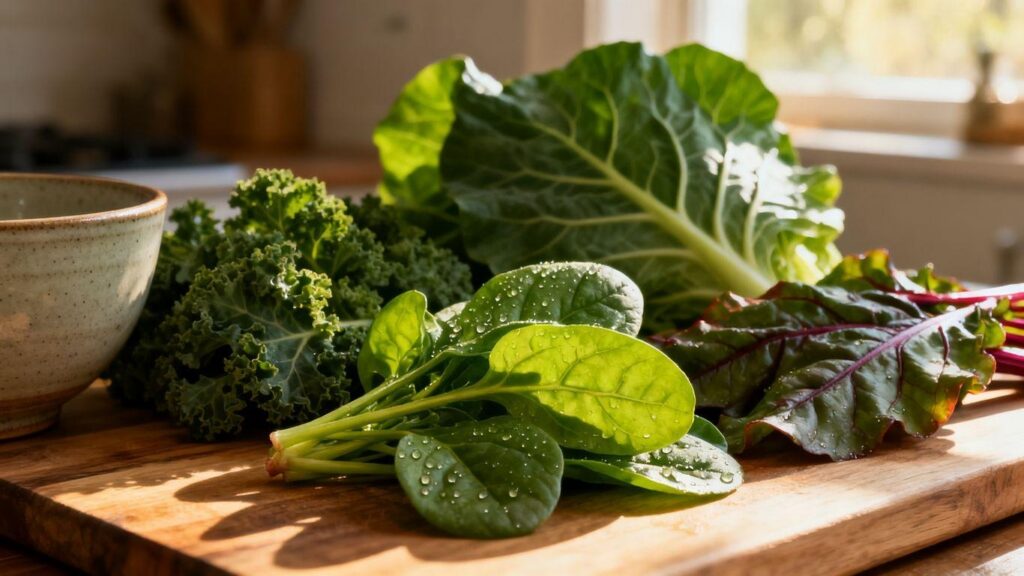
When buying packaged greens, check for added sauces or salty seasoning, especially in prepared salads and frozen side dishes. Fresh or frozen vegetables are often versatile enough to season at home, where you can adjust salt and fat to suit your needs. A varied selection is more useful than insisting on one particular green.
3. Berries and other antioxidant-rich fruits
Blueberries, strawberries, raspberries, blackberries, cherries, oranges, and apples make easy additions to breakfast or snacks. Their sweetness can replace some desserts or sugary add-ons without making the meal feel austere. Frozen berries are especially useful for oatmeal, yogurt, and smoothies when fresh fruit is expensive or out of season.
Try combining fruit with a source of protein or fiber so it carries you through the morning. Berries over plain yogurt, an apple with a small handful of nuts, or sliced orange alongside lunch are simple combinations. Whole fruit is generally more filling than juice because it retains its fiber and takes longer to eat.
Color variety is a good everyday rule. Red, purple, orange, and deep-blue fruits offer different flavors and make meals more appealing, which matters when a healthy pattern needs to last for years. Choose unsweetened frozen or canned fruit when possible, and drain fruit packed in syrup.
4. Oats and other whole grains
Oats, barley, quinoa, brown rice, farro, and whole-grain bread can give meals a steadier texture and more staying power than refined grains. Start with familiar swaps, such as oatmeal at breakfast or brown rice with a favorite stir-fry. You do not have to replace every refined grain at once for the change to be useful.
Oatmeal works well with berries, cinnamon, chopped nuts, or plain yogurt. For a savory option, cook oats with vegetables and an egg or serve barley in a soup. Reading the package matters: a product labeled as whole grain should list a whole grain near the beginning of its ingredient list, while flavored packets may contain substantial added sugar or sodium.
Use whole grains as the base rather than treating them as a garnish. A bowl of barley with beans and vegetables, for example, can become a complete meal with modest seasoning. Broader whole-grain and plant-forward guidance offers a useful framework for building that kind of plate.
5. Beans and lentils
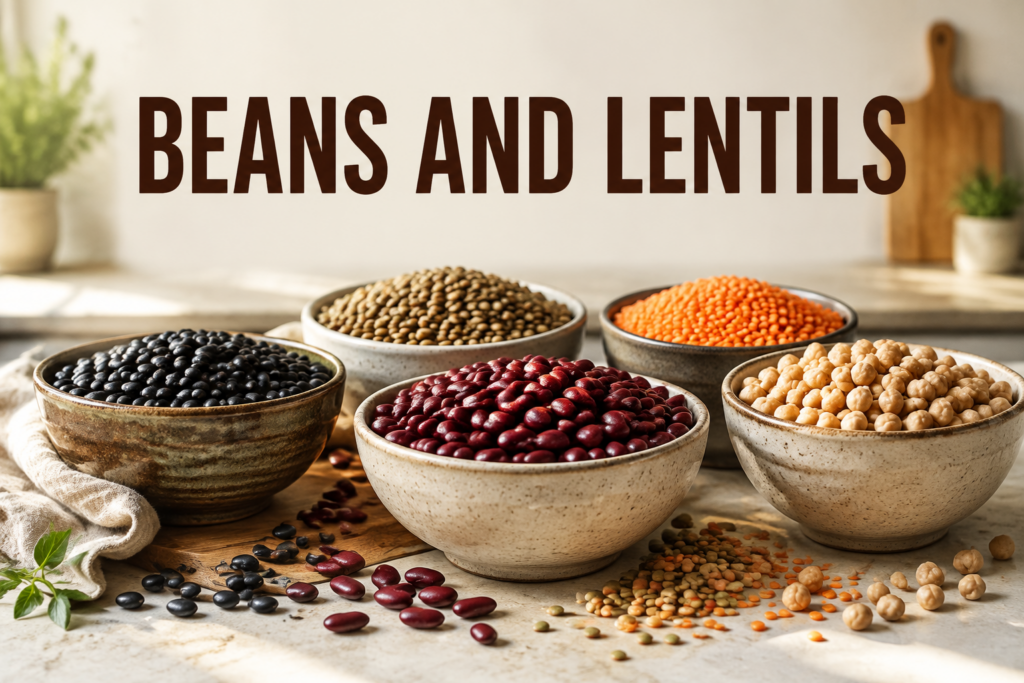
Black beans, chickpeas, kidney beans, navy beans, and lentils are affordable sources of plant protein and fiber. They work in chili, soups, salads, tacos, and grain bowls, so one batch can support several meals. Their mild flavor also makes them easy to season in different ways throughout the week.
Canned beans are convenient, but the liquid can be salty. Rinsing them under cool water and choosing no-salt-added varieties when available are simple ways to make them easier to fit into a lower-sodium meal. Dried beans and lentils offer another option, especially when you have time to cook a larger pot and freeze portions.
A gradual increase in beans may be more comfortable than a sudden change. Add a few spoonfuls to a familiar dish, then build up as your palate and digestion adjust. These foods can replace some red or processed meat in meals while keeping the plate hearty and satisfying.
6. Nuts and seeds
Almonds, walnuts, pistachios, peanuts, pumpkin seeds, chia seeds, and ground flaxseed can add crunch, flavor, and useful unsaturated fats. They are easy to sprinkle over oatmeal, yogurt, salads, or roasted vegetables. Because they are energy-dense, a small serving can go a long way.
Choose unsalted or lightly salted varieties most of the time, and be cautious with candy-coated, honey-roasted, or heavily seasoned mixes. Nut butter can be a good pantry staple when its ingredient list is simple, though it is worth measuring rather than eating directly from the jar. Seeds can also make a convenient topping when someone in the household cannot eat nuts.
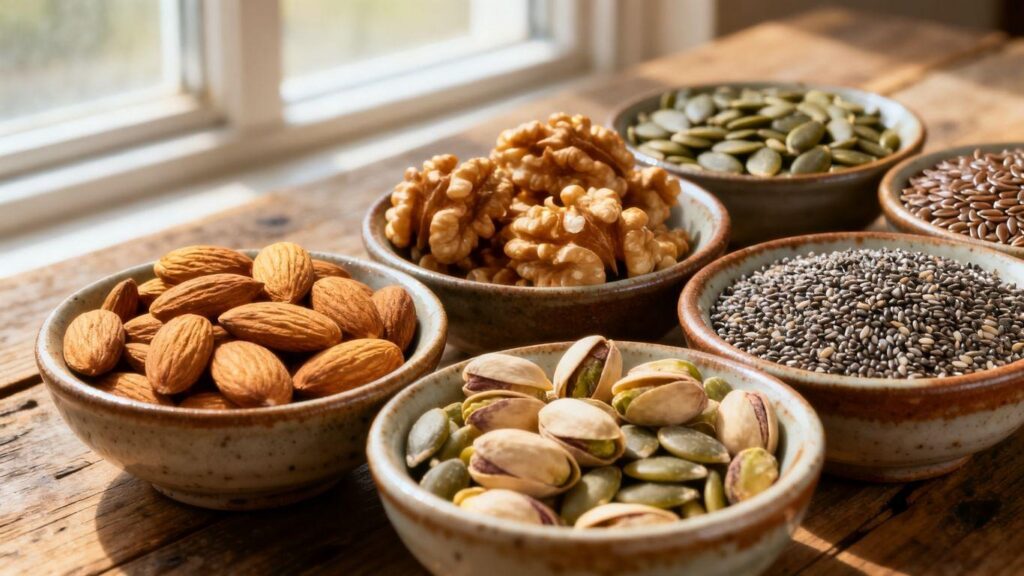
Keep nuts and seeds visible and portioned so they become part of meals rather than an accidental extra. These combinations make useful snacks:
- Plain yogurt with berries and chopped walnuts.
- An apple with a measured spoonful of peanut butter.
- Whole-grain crackers with hummus and pumpkin seeds.
- Oatmeal with chia or ground flaxseed.
The same idea applies to trail mixes: build them around unsalted nuts, seeds, and dried fruit, then keep the serving modest. Pairing them with fruit or whole grains can create a satisfying snack without relying on highly processed sweets.
7. Avocados
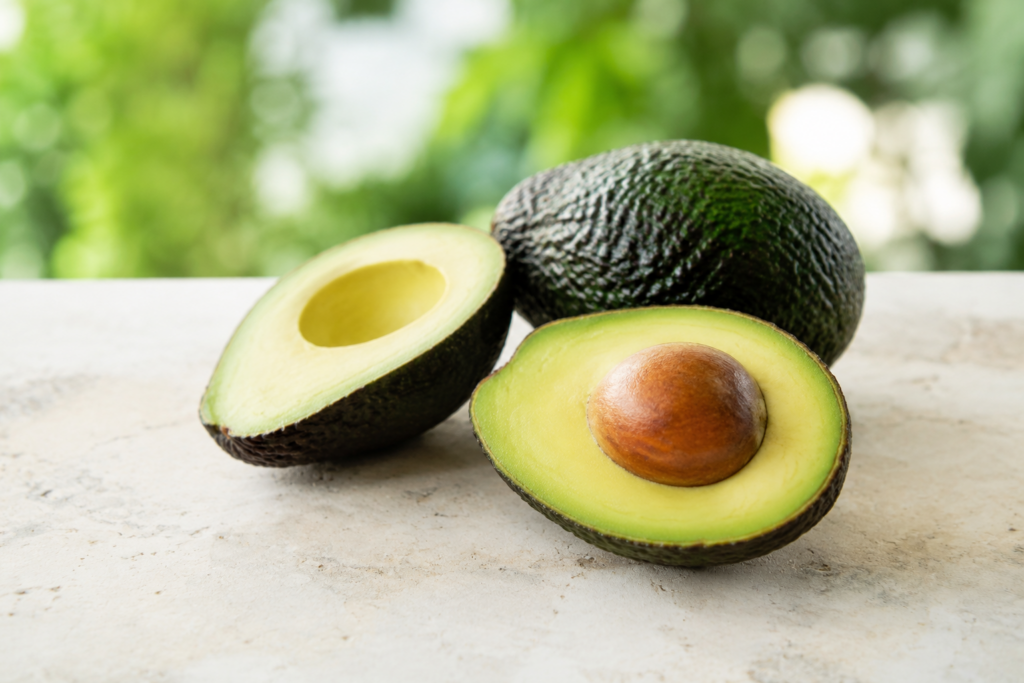
Avocados provide a creamy texture and can make meals feel substantial without butter or mayonnaise. Mash them onto whole-grain toast, slice them into a bean bowl, or add them to a salad just before serving. Their mild flavor works with citrus, herbs, tomatoes, and spicy ingredients.
They are nutritious but calorie-dense, so portion awareness still matters. A few slices may be enough to enrich a sandwich, while half an avocado can anchor a larger lunch with beans and vegetables. Treat avocado as one part of the meal, not as a free pass to ignore the rest of the plate.
Buy firm fruit for later in the week and softer fruit for immediate use. If an avocado ripens before you need it, mash it with lime juice and use it as a spread or dip. This kind of flexible ingredient can reduce dependence on packaged sauces, which may contribute extra sodium or added sugar.
8. Olive oil
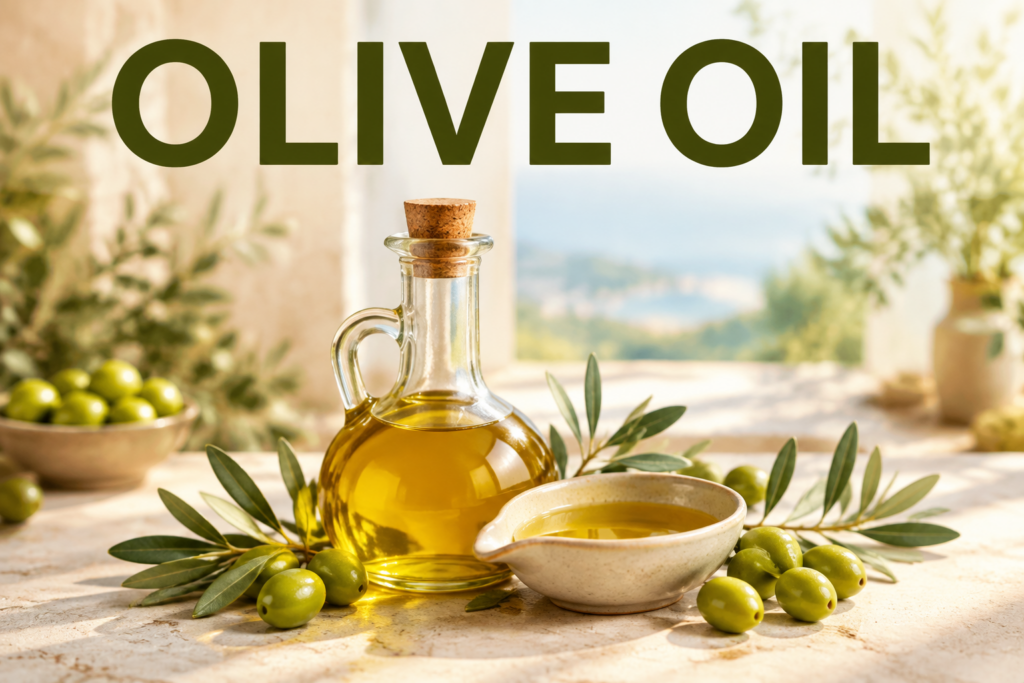
Extra-virgin olive oil is useful for roasting vegetables, dressing salads, and finishing beans or fish. Its flavor can make simple ingredients feel complete, which helps meals stay interesting when you are cutting back on heavier sauces. Store it away from heat and light and use it regularly rather than saving it for special occasions.
A small amount is often enough. Whisk olive oil with vinegar, lemon juice, garlic, or herbs for a quick dressing, or brush vegetables lightly before roasting. Measuring oil for cooking can be worthwhile because healthy fats still contribute calories.
Think of olive oil as a replacement for some less favorable fats, not an ingredient to add on top of everything else. The overall pattern matters more than any single bottle. Practical diet and lifestyle recommendations can help connect food choices with other steady habits that support cardiovascular health.
9. Tomatoes and other colorful vegetables
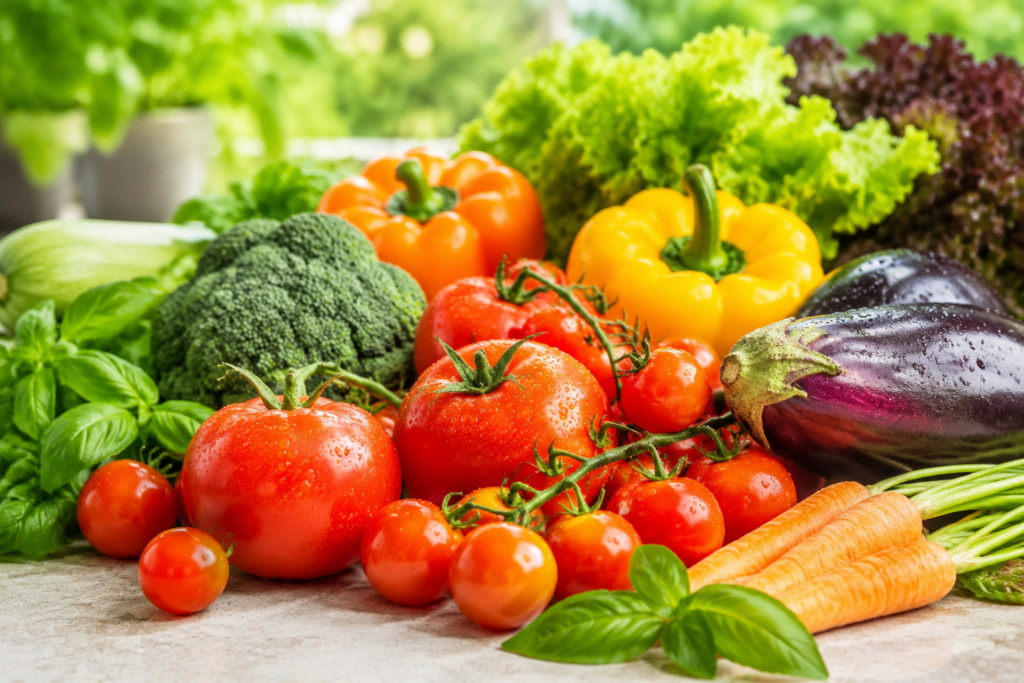
Tomatoes, bell peppers, carrots, sweet potatoes, squash, broccoli, and red cabbage make meals more inviting while expanding the range of flavors and textures. Fresh tomatoes can brighten a sandwich, canned tomatoes can form the base of a stew, and roasted peppers can add sweetness without a sugary sauce. Frozen vegetables are a reliable option when fresh produce is not convenient.
Aim to vary the colors across the week rather than chasing a perfect count at every meal. Combine tender vegetables with crisp ones, or pair roasted produce with a fresh salad for contrast. This keeps nutritious meals from becoming repetitive, which is often the real obstacle to consistency.
Packaged vegetable dishes deserve a quick label check. Sauces, cheese, and seasoning blends can turn a naturally wholesome side into a much saltier or richer choice. Cooking plain vegetables at home gives you control over the oil, sodium, and flavor, while herbs, citrus, garlic, and pepper keep the result lively.
10. Low-fat dairy and fortified alternatives
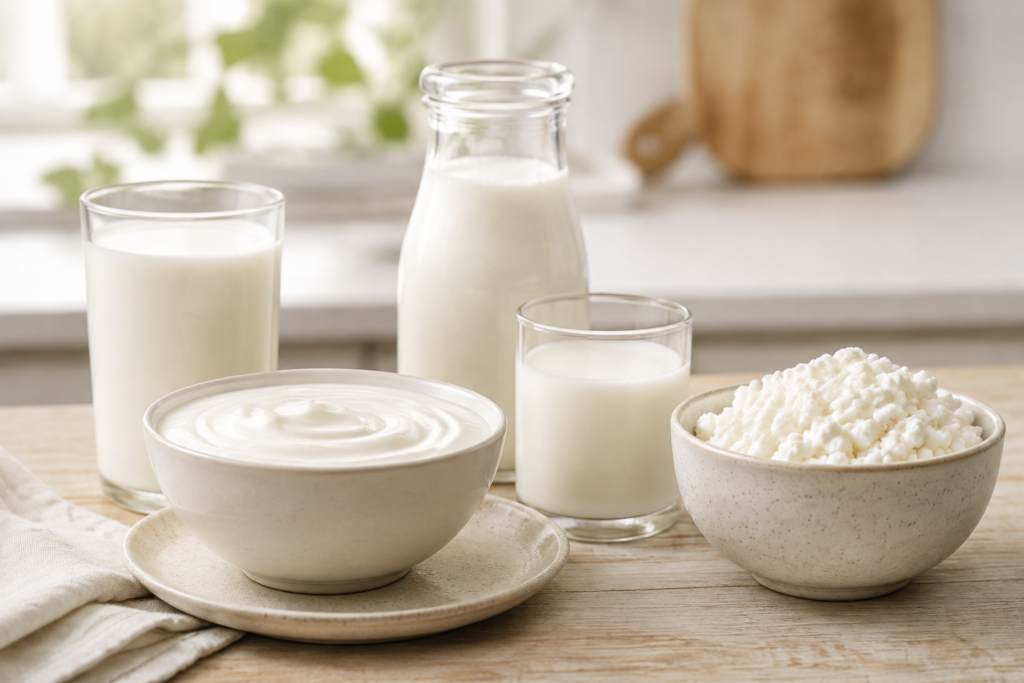
Low-fat milk, plain yogurt, kefir, and reduced-fat cottage cheese can provide protein and calcium in a heart-conscious eating pattern. Fortified soy beverages and some other dairy alternatives may also fit, though their nutrition varies by product. Compare labels for protein, calcium, added sugar, and saturated fat rather than judging a carton by its front label alone.
Plain yogurt can be topped with fruit, oats, or seeds instead of sweetened granola. Milk can enrich oatmeal or a smoothie, while unsweetened fortified soy beverage works in many of the same recipes. If you prefer a different alternative, check whether it is fortified and whether it supplies meaningful protein.
Dairy and fortified alternatives are supporting players, not requirements for every person. Someone with an allergy, intolerance, or dietary preference can choose other calcium- and protein-containing foods. The best option is one that suits your health needs, tastes good, and can be used consistently without adding unnecessary sugar or sodium.
Conclusion
The best heart-supportive meals are usually simple combinations repeated often: fish or beans, vegetables, whole grains, fruit, and a modest amount of unsaturated fat. Choose the foods you enjoy, make lower-sodium swaps where practical, and build a pattern that fits your schedule rather than chasing perfection.
Frequently Asked Questions
What makes a food heart-healthy?
Heart-healthy foods generally provide nutrients such as fiber, unsaturated fats, vitamins, minerals, or plant protein while being relatively low in added sugar, excess sodium, and saturated fat. The overall eating pattern matters more than any single food.
How often should men eat fish?
Many people can include fish as a regular protein choice, particularly varieties rich in omega-3 fats. Follow current medical and food-safety guidance about serving frequency and fish choices, especially if you have a health condition or specific dietary concern.
Are nuts too high in calories to be heart-healthy?
Nuts are calorie-dense, but modest portions can fit comfortably into a balanced eating pattern. Choose mostly unsalted varieties and measure servings when needed so they replace less nutritious snacks rather than simply adding calories.
Is oatmeal better than other breakfast foods?
Oatmeal is one useful whole-grain option, especially when paired with fruit, nuts, or seeds and kept low in added sugar. Other whole grains can also support a varied diet, so preference and consistency matter.
Can I eat red meat while following a heart-conscious diet?
Some people include lean, unprocessed red meat in moderation. A practical approach is to make fish, beans, lentils, nuts, and other plant proteins more frequent choices while limiting processed meats and watching saturated fat and sodium.
Are canned vegetables and beans healthy choices?
They can be convenient and nutritious. Choose no-salt-added products when possible, and rinse canned beans or vegetables if appropriate to reduce some of the added sodium.
Should I avoid all dietary fat?
No. The type and amount of fat matter. Replacing some saturated fats with unsaturated fats from foods such as fish, nuts, seeds, avocado, and olive oil can fit a heart-conscious eating pattern, while portions still influence total calorie intake.