

Key Takeaways
Blood tests can help a doctor spot risks, explain symptoms, and establish a useful starting point for future care. The right panel depends on your age, history, medications, and goals—not on a universal checklist.
- Discuss testing based on symptoms, age, family history, and personal risk.
- A basic baseline may include blood counts, metabolic measures, glucose, and urine testing.
- Cholesterol and related markers help clarify cardiovascular risk.
- Hormone, nutrient, prostate, and infectious disease tests are most useful when there is a reason to order them.
- Ask how to prepare, what an abnormal result means, and whether it needs confirmation.
How doctors decide which blood tests you need
There is no single panel that every man needs at every appointment. A clinician usually starts with your reason for visiting, then weighs preventive care, symptoms, and known risk factors. Even when you feel well, routine conversations can reveal a need for closer monitoring; this screening guidance for men explains why preventive visits still matter in middle age.
Age, symptoms, and personal health history
Age changes the likelihood of certain conditions, but it does not determine your care by itself. Fatigue, thirst, changes in urination, weight changes, low libido, or persistent pain may point toward different tests. Your doctor will also consider previous results, diagnoses, and whether a new symptom is sudden or long-standing.
A healthy man with no complaints may need a smaller set of screening tests than someone managing diabetes, kidney disease, or unexplained anemia. The purpose is to ask a useful clinical question rather than collect numbers without context.
Family history and inherited risk
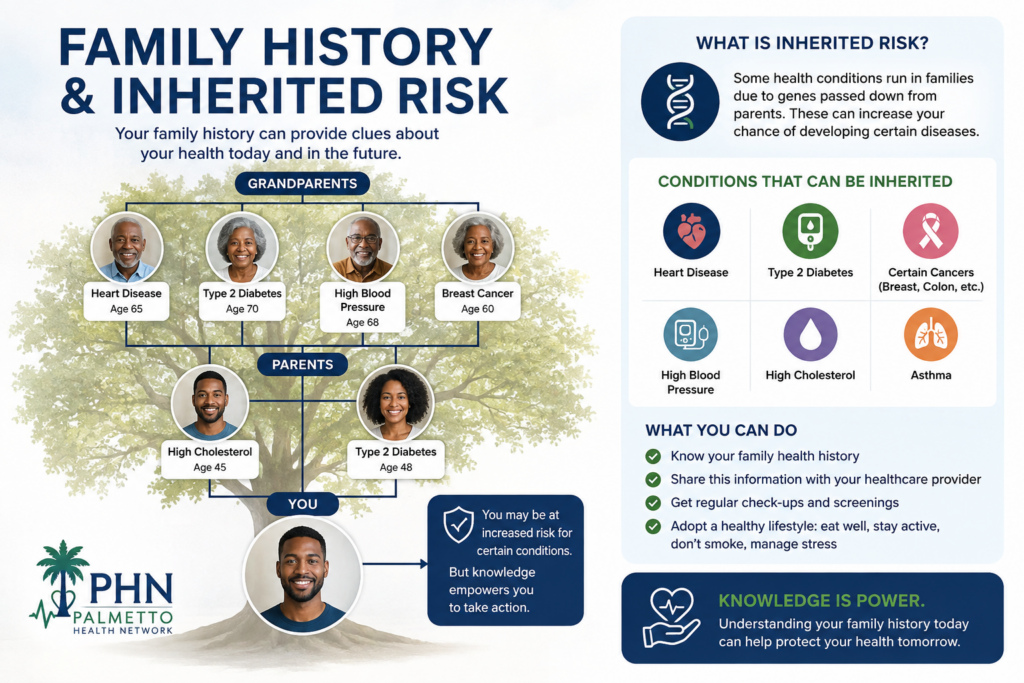
A parent or sibling with early heart disease, diabetes, certain cancers, or an inherited blood disorder can change when testing is considered. Be specific about who was affected and approximately how old they were at diagnosis. That detail may influence both the test and the timing of follow-up.
Family history is not a prediction, and a negative history does not eliminate risk. It simply gives the clinician another piece of evidence when deciding which results deserve a closer look.
Lifestyle factors and medications

Smoking, alcohol use, sleep, diet, exercise, and body composition can affect metabolic and cardiovascular risk. Prescription medicines, over-the-counter products, and supplements can also alter laboratory values or change how results should be interpreted. Bring an up-to-date list rather than relying on memory.
Be candid about recreational substances and sexual health as well. These details are part of medical decision-making, not a character judgment, and they can prevent unnecessary testing or missed diagnoses.
Why routine testing is not one-size-fits-all
Broad testing can produce incidental findings that lead to repeat appointments and worry without improving care. On the other hand, a focused test can be valuable when symptoms or risk factors make a condition plausible. The best plan balances potential benefit, limitations, cost, and what you would do with the result.
A useful question is, “What decision will this test help us make?” If there is no clear answer, it may be reasonable to discuss whether testing can wait or be omitted.
Tests that provide a general health baseline
A general baseline gives a clinician a snapshot of blood cells, organ function, electrolytes, and glucose handling. It can be especially helpful when you are establishing care or reviewing a meaningful change in health. These tests are not a substitute for a physical examination or a discussion of symptoms.
The results become more useful when compared with earlier measurements and interpreted alongside blood pressure, weight, and medical history.
Complete blood count for anemia and blood disorders
A complete blood count measures red blood cells, white blood cells, and platelets, along with related measures such as hemoglobin. It may help investigate fatigue, weakness, unusual infections, bruising, or bleeding. An abnormal value can have many explanations, including temporary illness, medication effects, nutritional deficiency, or a blood disorder.
One result rarely identifies the cause on its own. Depending on the pattern, a doctor may repeat the test or order additional studies.
Comprehensive metabolic panel for liver, kidneys, and electrolytes
A comprehensive metabolic panel commonly provides information about electrolytes, kidney function, liver-related measures, proteins, and blood glucose. It can help monitor an existing condition or assess symptoms such as swelling, nausea, weakness, or changes in urination. Dehydration and some medicines can influence the numbers.
The panel is broad, but it is not a complete evaluation of every organ. Your clinician will decide whether the results call for a repeat test, imaging, or another targeted study.
Blood glucose and A1C for diabetes risk
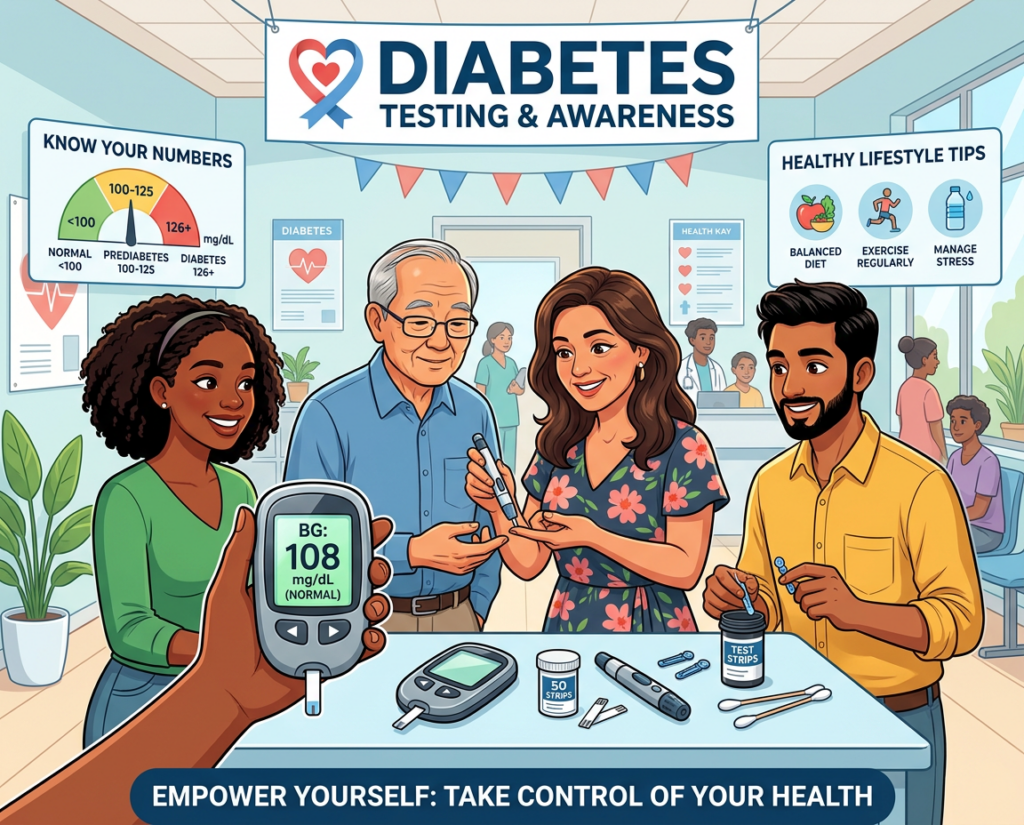
Blood glucose reflects the amount of sugar in the blood at a particular time. A1C estimates average blood glucose over roughly the preceding several months, so it offers a different view. Doctors may use one or both when assessing diabetes risk, symptoms, or response to treatment.
Thirst and frequent urination can be clues, but diabetes may also develop without obvious symptoms. Results should be interpreted with the test conditions and your broader risk profile in mind.
Urinalysis and related follow-up testing
Urinalysis is not a blood test, but it often belongs in the same baseline conversation. It can provide clues about blood, protein, glucose, infection, or other urinary and kidney concerns. A finding may reflect contamination, exercise, dehydration, or a temporary problem rather than lasting disease.
If the result is unexpected, the next step might be a repeat urine sample or a blood test that assesses kidney function. The follow-up depends on the finding and whether you have symptoms.
Tests for heart and blood vessel health
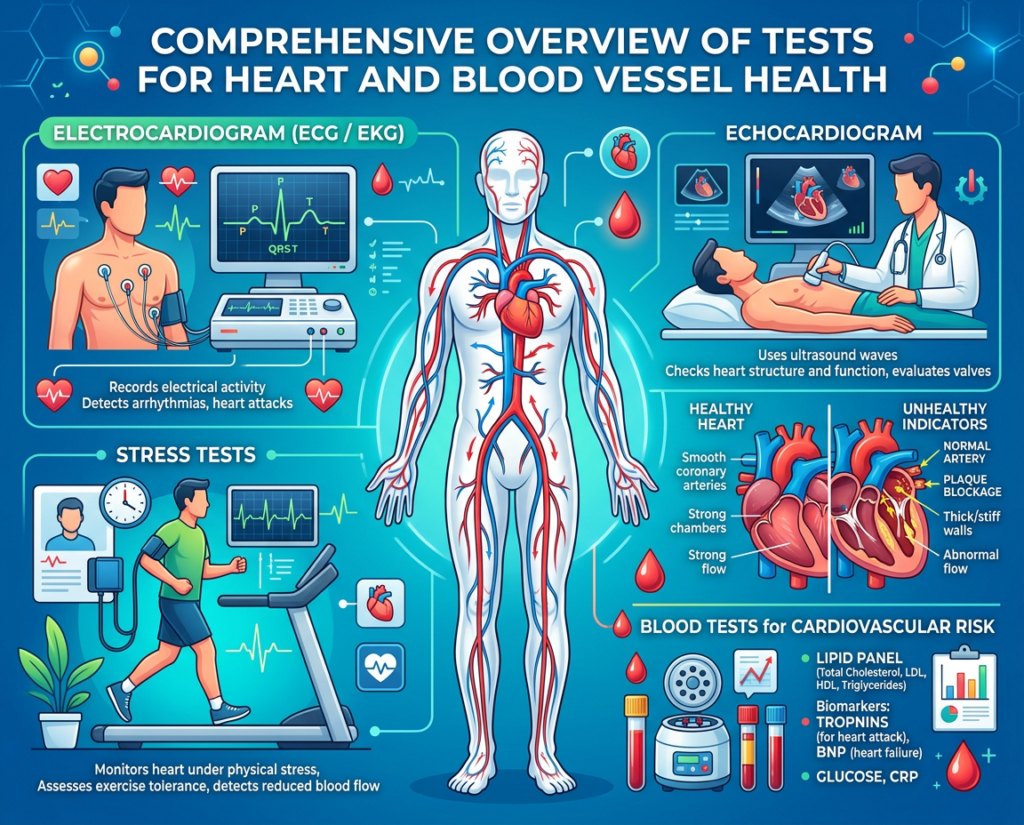
Cardiovascular risk develops from several factors, including cholesterol, blood pressure, glucose, smoking, age, and family history. Blood tests can add detail, but they do not replace a full risk assessment. A clinician may repeat measurements over time before recommending treatment.
Lipid panel and cholesterol levels
A lipid panel typically reports total cholesterol, LDL cholesterol, HDL cholesterol, and triglycerides. These values help estimate cardiovascular risk and may guide a conversation about diet, activity, medication, or additional evaluation. The appropriate target depends on your overall risk rather than one isolated number.
Ask whether you need a fasting sample and how often testing makes sense for you. A result is more meaningful when it is viewed alongside blood pressure, diabetes status, smoking history, and family history.
Triglycerides and non-HDL cholesterol
Triglycerides are a type of fat in the blood and can rise with metabolic conditions, alcohol use, some medicines, or a recent meal. Non-HDL cholesterol is calculated from the lipid panel and captures cholesterol carried by several potentially harmful particles. Both can add context when a standard cholesterol discussion feels incomplete.
The following simplified view can help organize what each measure contributes, though your clinician will interpret the actual values:
No single row determines whether you need treatment. The pattern, trend, and personal risk factors are what make the panel clinically useful.
High-sensitivity C-reactive protein in selected cases
High-sensitivity C-reactive protein, or hs-CRP, measures a marker associated with inflammation. In selected people, it may add information to a cardiovascular risk discussion when the usual picture is uncertain. It is not a stand-alone test for heart disease.
Infection, injury, and other inflammatory conditions can raise hs-CRP. A clinician may therefore avoid interpreting a high value during an acute illness or may repeat it later.
When additional cardiovascular testing may be appropriate
Blood tests are only one part of cardiovascular prevention. Depending on your symptoms and risk, a doctor might discuss blood pressure monitoring, an electrocardiogram, imaging, or another non-blood test. Chest discomfort, fainting, severe shortness of breath, or sudden weakness needs prompt medical attention rather than routine lab scheduling.
Additional testing should answer a specific question. More testing is not automatically better when the result will not change the plan.
Hormone and reproductive health testing
Hormone testing is most helpful when symptoms, examination findings, or fertility goals create a clear reason to investigate. Levels can vary with time of day, illness, sleep, medications, and laboratory method. That variability is why a single result should not be treated as a diagnosis.

A calm, detailed conversation about symptoms and goals often matters as much as the blood draw itself.
Testosterone testing and when symptoms matter
Testosterone may be considered when a man has symptoms such as reduced sexual desire, erectile difficulty, low energy, or decreased muscle mass, especially when the pattern is persistent. Timing matters because levels can change during the day. If a result is low, clinicians commonly consider whether it should be confirmed and whether another cause could explain the symptoms.
Treatment decisions should not rest on a number alone. Medical history, examination, reproductive plans, and possible risks all belong in the discussion.
Thyroid-stimulating hormone for thyroid function
Thyroid-stimulating hormone, or TSH, is commonly used to evaluate thyroid function. An unusual result may help explain fatigue, temperature sensitivity, bowel changes, weight changes, or shifts in heart rate, though those symptoms have many possible causes. Follow-up thyroid tests may be needed to clarify the result.
Medications and acute illness can affect thyroid measurements. Tell the clinician about relevant treatments and supplements before testing.
Prolactin and other hormone tests
Prolactin testing may be considered when there is unexplained low libido, erectile difficulty, infertility, breast enlargement, or nipple discharge. Other hormone tests are chosen according to the clinical question, not simply because a broad hormone panel is available. A result can be affected by stress, sleep, exercise, and certain medicines.
If a value is abnormal, the clinician may repeat it under more controlled conditions before ordering further evaluation. That step can distinguish a temporary change from a persistent one.
Fertility-related blood tests
When conception is difficult, blood tests may assess reproductive hormones and other contributors to fertility. A semen analysis is also often relevant because blood work alone cannot evaluate sperm count, movement, or shape. The appropriate evaluation depends on both partners and the duration of trying to conceive.
Mention prior surgeries, infections, injuries, medications, and plans for future children. Those details can change which tests are useful and how results are interpreted.
Tests linked to common age-related concerns
Age can make certain discussions more timely, but it does not create an automatic requirement for every test. Screening decisions should reflect personal risk, expected benefit, and preferences. A doctor may recommend starting earlier, testing more often, or not testing at all depending on the circumstances.
Prostate-specific antigen and prostate cancer discussions
The prostate-specific antigen, or PSA, test measures a protein associated with the prostate. An elevated result does not prove cancer; benign prostate enlargement, inflammation, and other factors can also affect it. Before testing, discuss potential benefits, false positives, follow-up procedures, and how the result might change your choices.
Age, family history, race and ethnicity, symptoms, and prior PSA results may all enter the conversation. Urinary symptoms should be discussed even if you decide not to have a PSA test.
Vitamin B12 and folate when deficiency is possible

Vitamin B12 or folate testing may be reasonable with anemia, numbness, balance problems, cognitive changes, restricted diets, or conditions that affect absorption. Some medicines can also influence B12 levels. The symptoms of deficiency overlap with many other conditions, so testing helps narrow the possibilities.
A clinician may order additional blood counts or confirmatory tests if the initial result is borderline. Do not start high-dose supplements solely because of fatigue without discussing the cause.
Vitamin D testing for specific risk factors

Vitamin D testing is generally most useful when there are particular risk factors, symptoms, bone concerns, or conditions that affect absorption and metabolism. Routine testing for everyone is not always necessary. The decision should take into account diet, sun exposure, bone health, and medical history.
If supplementation is recommended, ask about the dose and duration. More is not necessarily safer, and supplements can interact with other aspects of care.
Iron studies for unexplained fatigue or anemia
Iron studies may include ferritin, iron, transferrin, and related measures. They can help distinguish iron deficiency from other causes of anemia or fatigue. In adult men, confirmed iron deficiency deserves attention because blood loss, including gastrointestinal loss, may need investigation.
Do not assume that tiredness means low iron. The pattern of results and your symptoms guide whether supplementation or further evaluation is appropriate.
Infectious disease and sexual health screening
Infectious disease testing should be based on exposure, symptoms, sexual history, vaccination status, occupation, and travel. Many infections can be present without symptoms, so screening is not limited to people who feel ill. Confidential, direct conversations help the clinician choose the right tests and testing intervals.
HIV and hepatitis C screening
HIV and hepatitis C tests may be recommended as routine screening or because of a particular exposure. The test used, the timing of the exposure, and the window period affect how a result should be understood. A recent exposure may require repeat testing even after an initial negative result.
Ask how results will be delivered and whether confirmatory testing is automatic when a screening result is reactive. Testing is a medical service, not a verdict about your behavior.
Hepatitis B testing based on risk and vaccination status

Hepatitis B testing may consider infection status, immunity, and vaccination history. Risk can relate to sexual exposure, household contact, place of birth, health care work, or other circumstances. A clinician may order more than one marker because a single result cannot always distinguish current infection from immunity.
If you are unsure whether you were vaccinated, say so. The next step may involve testing, vaccination, or both, depending on the result and your risk.
Syphilis and other sexually transmitted infection tests
Syphilis screening is often guided by sexual exposure, symptoms, pregnancy of a partner, local prevalence, or other risk factors. Depending on the infection and exposure site, testing may involve blood, urine, or a swab rather than blood alone. A negative result can be too early if testing follows a recent exposure.
Tell the clinician about new partners, condom use, symptoms, and the kinds of sexual contact involved. Specific information helps determine which sites and infections should be tested.
Travel, occupation, and exposure-related testing

Travel, health care work, laboratory work, needle exposure, animal contact, and crowded living conditions can create distinct testing needs. The timing and location of an exposure may matter as much as the exposure itself. Bring travel dates and relevant workplace or household details to the appointment.
Seek prompt medical advice after a significant exposure rather than waiting for a routine physical. Some preventive treatments are time-sensitive.
How to prepare for blood work and understand the results
Preparation depends on the tests ordered, so follow the laboratory or clinician’s instructions rather than assuming every blood draw requires fasting. Results also need context: hydration, recent illness, exercise, medications, and the laboratory’s method can all matter. Write down questions before the appointment so the visit produces a plan, not just a report.
Whether fasting is necessary
Some lipid and metabolic tests may be performed after fasting, while others do not require it. Ask how long to fast, whether water is allowed, and what to do about morning medicines. If you accidentally eat or drink something outside the instructions, tell the staff instead of quietly proceeding.
Fasting is not appropriate for everyone, particularly when it could cause symptoms or interfere with medication timing. The ordering clinician can choose the safest approach.
Medications, supplements, exercise, and hydration
Continue or pause medicines only as instructed. Supplements, intense exercise, alcohol, dehydration, and a recent infection can affect some results, so mention them honestly. Normal hydration usually makes a blood draw easier, unless you were given different instructions.
A short preparation checklist can keep small details from being overlooked:
- Confirm whether fasting is required.
- Bring a current medication and supplement list.
- Drink water unless your clinician says otherwise.
- Mention recent illness, strenuous exercise, or unusual symptoms.
After the draw, ask when results should be available and who will review them. That simple step reduces the chance that an important result sits unread in a portal.
Why reference ranges are not the same as diagnoses
A reference range describes how results commonly fall within a selected comparison population. A value outside that range may be harmless in context, while a value inside it does not guarantee that everything is normal. The result must be considered with symptoms, trends, examination findings, and the reason the test was ordered.
Avoid interpreting one flagged number as a diagnosis. Ask what it means for you and whether it changes the next step.
When abnormal results need repeat testing
Repeat testing may be appropriate when a result is unexpected, borderline, affected by temporary illness, or inconsistent with how you feel. Sometimes the same test is repeated under different conditions; sometimes a more specific test is added. The timing depends on the result and the potential seriousness of the underlying concern.
Do not delay urgent care while waiting for a routine repeat if you have severe symptoms. Your clinician can explain which findings need prompt action and which can be monitored.
Questions to ask before scheduling follow-up care
A clear follow-up plan should explain what the test was looking for, what the result means, and what happens next. It should also account for your priorities, including cost, privacy, treatment preferences, and family planning. A written follow-up plan can make the conversation easier to remember.
Ask these questions before leaving or scheduling another appointment: What was abnormal? Does it need confirmation? What symptoms should prompt a call? When will we review the result? What are the benefits and downsides of the proposed next step?
Conclusion
Blood Tests Every Man Should Discuss With His Doctor are best understood as conversation starters, not a universal annual checklist. Bring your symptoms, family history, medications, and goals to the visit, then work with your clinician to choose tests that can genuinely inform your care.
Frequently Asked Questions
How often should men have blood tests?
There is no single schedule for every man. Frequency depends on age, symptoms, diagnoses, medications, family history, prior results, and the type of test being considered.
Should a healthy man get routine blood work?
A man who feels healthy may still benefit from preventive care, but the specific tests should be chosen with a clinician. Some conditions have few early symptoms, while unnecessary testing can create confusing findings.
Do all blood tests require fasting?
No. Some tests may require fasting, while others do not. Confirm the instructions for your particular order, including whether water and regular medicines are allowed.
What blood tests are commonly used to check diabetes risk?
Blood glucose and A1C are commonly used to assess glucose levels and diabetes risk. The appropriate test and interpretation depend on symptoms, risk factors, and the testing conditions.