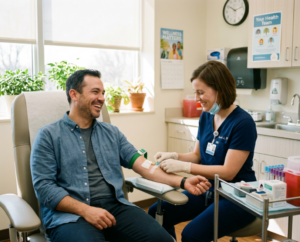
Why Blood Pressure Matters
Blood pressure is the force of blood pushing against the walls of your arteries as your heart pumps. Healthy blood pressure is essential because it allows oxygen and nutrients to circulate throughout your body efficiently.
When blood pressure remains elevated over time, it places extra strain on your heart and blood vessels. This can damage arteries and increase your risk of serious health conditions.
Understanding the Numbers
A blood pressure reading consists of two numbers:
- Systolic Pressure (Top Number): Measures the pressure in your arteries when your heart beats.
- Diastolic Pressure (Bottom Number): Measures the pressure in your arteries when your heart rests between beats.
Blood Pressure Categories
Normal: Less than 120/80 mm Hg
Elevated: 120–129 systolic and less than 80 diastolic
High Blood Pressure (Stage 1): 130–139 systolic or 80–89 diastolic
High Blood Pressure (Stage 2): 140/90 mm Hg or higher
Hypertensive Crisis: Higher than 180/120 mm Hg. Seek immediate medical attention.
Why Men Should Pay Attention
Men are more likely than women to develop high blood pressure before age 65. Several factors contribute to this increased risk:
- Family history of hypertension
- Excess body weight
- Poor diet, especially high sodium intake
- Lack of physical activity
- Smoking and tobacco use
- Excessive alcohol consumption
- Chronic stress
- Sleep apnea
- Diabetes and high cholesterol
Because symptoms are often absent, many men do not realize they have high blood pressure until complications occur.
How Often Should Men Check Their Blood Pressure?
Men with Normal Blood Pressure
If your blood pressure is normal and you have no major risk factors, have it checked at least once every year during your routine wellness visit.
Men with Elevated Blood Pressure
Your healthcare provider may recommend checks every three to six months.
Men with High Blood Pressure
If you have been diagnosed with hypertension, follow your provider’s recommendations closely. Home monitoring may be encouraged, along with regular office visits.
What Happens During a Blood Pressure Check?
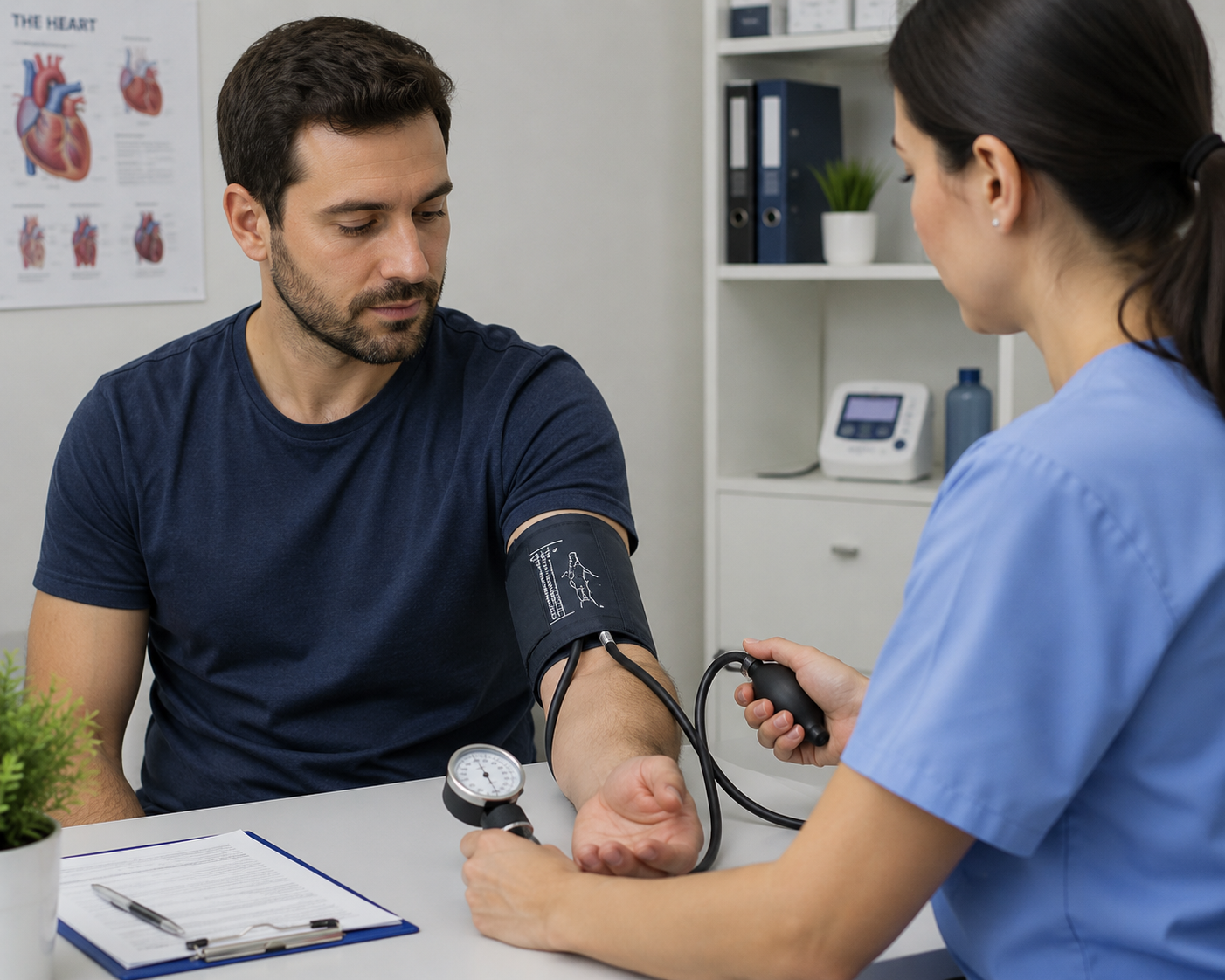
A healthcare professional places an inflatable cuff around your upper arm. The cuff temporarily restricts blood flow and then gradually releases pressure while the device measures your blood pressure.
The process is painless and usually takes less than a few minutes.
Tips for Getting an Accurate Reading
To ensure reliable results:
- Avoid caffeine, smoking, and exercise for at least 30 minutes beforehand.
- Empty your bladder before the test.
- Sit quietly for five minutes before the reading.
- Keep your feet flat on the floor.
- Rest your arm at heart level.
- Avoid talking during the measurement.
Should Men Monitor Blood Pressure at Home?
Home blood pressure monitoring can be a valuable tool, especially if you have hypertension or risk factors.
Benefits include:
- Tracking trends over time
- Identifying how lifestyle changes affect readings
- Detecting “white coat hypertension,” where blood pressure rises in medical settings
- Helping healthcare providers adjust treatment plans
Choose an upper-arm monitor that has been clinically validated, and bring it to your medical appointments occasionally to verify accuracy.
Lifestyle Changes That Support Healthy Blood Pressure
Eat a Heart-Healthy Diet
Focus on:
- Fruits and vegetables
- Whole grains
- Lean proteins
- Low-fat dairy products
- Healthy fats such as olive oil and nuts
Limit:
- Processed foods
- Excess sodium
- Added sugars
- Saturated fats
Stay Physically Active
Aim for at least 150 minutes of moderate-intensity exercise each week. Walking, cycling, swimming, and strength training can all help lower blood pressure.
Maintain a Healthy Weight
Even modest weight loss can have a positive impact on blood pressure levels.
Limit Alcohol
Excessive alcohol intake can raise blood pressure. Drink in moderation or avoid alcohol altogether.
Quit Smoking
Tobacco damages blood vessels and significantly increases cardiovascular risk.
Manage Stress
Chronic stress may contribute to unhealthy habits and elevated blood pressure. Consider:
- Prayer and meditation
- Deep breathing exercises
- Regular physical activity
- Spending time with loved ones
- Seeking professional support when needed
Prioritize Sleep
Poor sleep and untreated sleep apnea are linked to high blood pressure. Aim for seven to nine hours of quality sleep each night.
Warning Signs That Require Immediate Attention
Although high blood pressure often has no symptoms, seek emergency medical care if you experience:
- Severe chest pain
- Shortness of breath
- Sudden vision changes
- Severe headache
- Confusion
- Difficulty speaking
- Weakness or numbness on one side of the body
These symptoms may indicate a medical emergency such as a heart attack or stroke.
Questions Men Should Ask Their Healthcare Provider
- What is my current blood pressure?
- What should my target blood pressure be?
- Do I need medication?
- How can I improve my numbers through lifestyle changes?
- Should I monitor my blood pressure at home?
- How often should I have follow-up visits?
The Bottom Line
Checking your blood pressure is one of the simplest yet most powerful steps you can take to protect your health. High blood pressure rarely announces itself with symptoms, but its effects can be devastating if left untreated.
The good news is that early detection, healthy lifestyle choices, and appropriate medical care can significantly reduce your risk of complications. Whether you’re in your 20s or your 70s, knowing your numbers is an investment in your future.
Take charge of your health today. Schedule your blood pressure check, monitor your progress, and encourage the men in your life to do the same. A few minutes spent checking your blood pressure could add years to your life.