

Here are the main points to remember when you’re looking to prevent Diabetes through your eating habits. Keep these in mind as you make changes!
Key Takeaways
- Preventing type 2 Diabetes is possible by making smart food choices and lifestyle changes.
- Focus on eating balanced meals with smaller portions, especially for high-calorie foods.
- Reading food labels helps you make better choices about calories, fats, and sugars.
- Creating a sustainable eating plan that you enjoy is more effective than quick fixes.
- Don’t go it alone; lean on friends, family, and healthcare professionals for support.
Understanding Your Diabetes Risk
It’s easy to hear about diabetes and think, ‘That won’t happen to me.’ But honestly, a lot of people are at risk without even realizing it. The good news is, knowing your risk is the first step to doing something about it. And the even better news? You can actually do a lot to lower that risk.
Why Prevention Matters for Diabetes
So, why all the fuss about preventing diabetes? Well, type 2 diabetes isn’t just a minor inconvenience. It’s a serious health condition that can lead to a whole cascade of other problems down the road, like heart disease, stroke, vision loss, and kidney issues. If you can stop it before it starts, or even just delay it, you’re doing your future self a massive favor. It’s about staying healthier and more active for longer. Preventing diabetes is about protecting your overall well-being.
Taking the First Steps to Lower Your Diabetes Risk
Ready to take charge? It starts with small, manageable changes. Think about what’s motivating you. Maybe it’s keeping up with grandkids, having more energy for hobbies, or just feeling better day-to-day. Whatever it is, hold onto that reason. The first real step is figuring out what needs a tweak in your daily routine. This might involve looking at your eating habits and how much you move around.
Here are a few things to consider:
- What kind of foods do you usually reach for?
- Do you tend to plan your meals, or decide on the fly?
- How often do you find yourself eating out?
- Are there people in your life who influence what you eat?
Don’t feel like you have to overhaul everything at once. Small shifts can add up. For instance, if you’re looking to make healthier food choices, understanding your current habits is key. You can find some great resources on healthy eating habits that can guide you.
Sometimes, just knowing you’re not alone can make a big difference. Sharing your goals with a friend or family member can provide that extra push when you need it.
Assessing Your Current Eating Habits
Let’s get real about what you’re eating. Take a moment to think about a typical week. What does your plate usually look like at breakfast, lunch, and dinner? Are you grabbing processed snacks, or do you have fruits and veggies handy? It’s not about judgment; it’s about awareness. Knowing where you’re starting from helps you see where you can make improvements. For example, if you often eat out, you might want to look into healthier restaurant choices. Or if you’re unsure about what’s in your food, getting comfortable with reading food labels is a good skill to build. Remember, factors like family history can also play a role in your risk, so it’s good to be informed about your overall diabetes risk factors.
Creating Your Personalized Eating Plan
So, you’re ready to get serious about eating better to keep diabetes at bay. That’s fantastic! But where do you even start? The good news is, it’s not about following some super strict, one-size-fits-all diet. It’s about building a plan that actually works for you, your tastes, and your life. Think of it less like a diet and more like a lifestyle upgrade.
Finding the Right Meal Patterns for You
When we talk about eating plans, it’s helpful to think about different meal patterns. These are basically frameworks that guide what you eat and when. The American Diabetes Association, for example, has identified several patterns that have shown real promise in helping people manage blood sugar and weight. The key is that there isn’t one single
Making Smart Food Choices

Okay, so we’ve talked about why eating well is important and how to plan your meals. Now, let’s get down to the nitty-gritty: what actually goes on your plate? It’s not about deprivation; it’s about making choices that add up to a healthier you. Think of it as a puzzle, and each food choice is a piece that fits together to build a healthier lifestyle.
Portion Control Made Easy
This is a big one. Honestly, most of us have no clue how much we’re actually eating. It’s easy to overdo it when food is just sitting there. A good way to get a handle on this is the plate method. Imagine your plate: fill half of it with colorful fruits and veggies, then a quarter with lean protein like chicken or fish, and the last quarter with whole grains. It sounds simple, but it really helps.
Here’s a quick guide using your hand to estimate portions:
- Meat/Poultry: About the size of your palm or a deck of cards.
- Fish: About the size of a checkbook.
- Cooked Grains (rice, pasta): About a half-cup, which is like a rounded handful or a tennis ball.
- Cheese: About six dice.
- Peanut Butter: Two tablespoons, roughly the size of a ping-pong ball.
Remember, it takes about 20 minutes for your stomach to tell your brain it’s full. So, eating slowly can make a big difference in how much you end up eating.
Choosing Healthier Foods Over Less Healthy Options
This is where we swap out the usual suspects for better alternatives. Instead of reaching for chips, maybe grab some unsalted nuts or some fruit. When you’re at the grocery store, try to stick to the outer aisles where you’ll find fresh produce, dairy, and lean meats. The inner aisles are often packed with processed stuff. Aim for foods that are naturally good for you, like leafy greens and lean proteins.
Here’s a quick rundown of what to pick more often and what to go easy on:
Choose More Often:
- Non-starchy vegetables (think broccoli, spinach, peppers)
- Fruits
- Lean proteins (fish, chicken, tofu, eggs)
- Whole grains (quinoa, brown rice)
- Water and unsweetened drinks
Choose Less Often:
- Processed foods (packaged snacks, fast food)
- Foods with trans fats (some baked goods, fried items)
- Sugary drinks (soda, juice)
- Alcohol
Reading Food Labels to Your Advantage
Don’t let those Nutrition Facts labels intimidate you! They’re actually super helpful. Look at the serving size first – that’s key. Then check out the calories, saturated fat, trans fat, sodium, and added sugars. The goal is to pick foods that are lower in these less-than-ideal components. It might take a little practice, but soon you’ll be a pro at spotting the best choices. You can even use them to compare similar products and pick the one that fits your healthy eating plan better.
Weight Loss Strategies for Diabetes Prevention
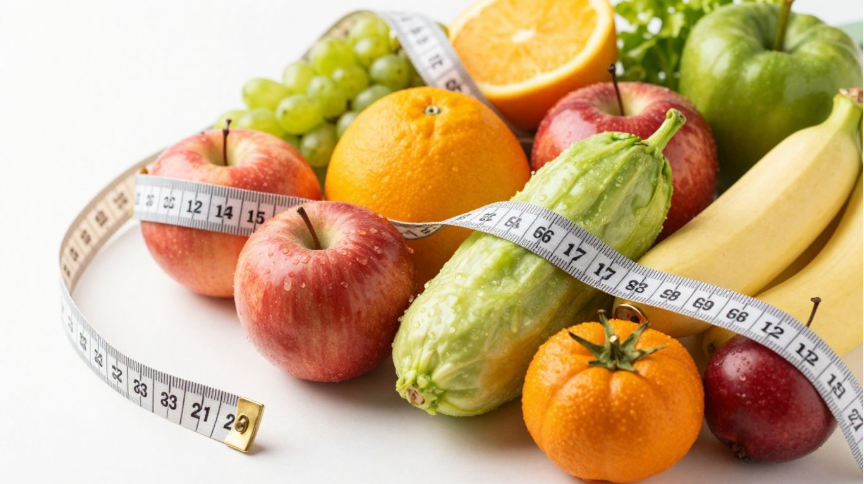
Losing even a small amount of weight can make a big difference when it comes to preventing type 2 diabetes. If you’re carrying extra pounds, aiming for a modest weight loss of 5-10% of your current body weight can significantly lower your risk. For example, if you weigh 200 pounds, losing just 10-20 pounds can be a game-changer. The key is to set realistic goals, like aiming to lose 1-2 pounds per week. This approach is much more sustainable than trying to drop a lot of weight quickly.
Setting Achievable Weight-Loss Goals
Think about your current weight. Let’s say you weigh 240 pounds. To hit that 5% goal, you’d aim to lose 12 pounds, bringing your target weight to 228 pounds. Breaking it down like this makes it feel much more manageable. It’s not about drastic changes overnight; it’s about consistent, steady progress. Remember, the Diabetes Prevention Program (DPP) study showed that people could indeed prevent or delay type 2 diabetes, even if they were at high risk, by making these kinds of lifestyle changes.
The Role of Calorie and Fat Intake
When you’re trying to lose weight, paying attention to what and how much you eat is super important. This often means cutting back on calories and making smarter choices about fats. Instead of focusing on restrictive fad diets that promise quick fixes, aim for a healthy eating plan that you can stick with long-term. This means eating smaller portions of high-calorie foods and swapping out less healthy options for more nutritious ones. For instance, choosing lean proteins, plenty of fruits and vegetables, and whole grains can make a big difference. Drinking water instead of sugary drinks is another simple yet effective step.
Building a Sustainable Eating Plan
Creating an eating plan that works for you is all about finding a balance. It needs to be healthy, yes, but it also needs to be something you can actually keep doing day after day. This isn’t a temporary diet; it’s about building new habits. Consider using the plate method: fill half your plate with fruits and vegetables, a quarter with lean protein, and the remaining quarter with whole grains. This visual guide helps with portion control and ensures you’re getting a good mix of nutrients. If dietary changes alone aren’t enough, increasing your physical activity is also key for successful weight management. Regular exercise, even without significant weight loss, plays a role in preventing diabetes, so aim for at least 150 minutes of moderate-intensity activity weekly [0684]. Combining a healthy diet with more movement is the winning ticket for long-term success [c6ae].
Making lasting changes to your eating habits is more effective than quick fixes. Focus on incorporating foods you enjoy into a balanced plan that supports your health goals over time.
Navigating Dining Out and Shopping
Eating out and grocery shopping can feel like minefields when you’re trying to eat healthier, but they don’t have to be. With a little planning and some smart choices, you can totally stay on track.
Tips for Healthier Choices When Eating Out
When you’re heading to a restaurant, try to look at the menu online beforehand. This gives you a chance to pick out something healthy before you’re tempted by all the delicious-smelling food. When you get there, don’t be afraid to ask questions about how dishes are prepared or what the portion sizes are like. Opt for cooking methods like grilling, baking, or steaming instead of frying. If you’re at a buffet, it’s easy to overdo it, so maybe stick to ordering from the menu if you can. Ordering sauces and dressings on the side is a great way to control how much you’re using.
- Plan ahead by checking menus online.
- Ask for meals to be prepared with less fat or salt.
- Choose grilled, baked, or steamed options over fried.
- Get sauces and dressings on the side.
Remember, it’s okay to enjoy treats sometimes. The key is moderation and keeping your overall goals in mind.
Smart Shopping Strategies for Healthy Eating
Grocery shopping is where you can really set yourself up for success. Making a list before you go is a game-changer. Seriously, stick to it! And never, ever shop when you’re hungry – you’ll just grab everything. Try to fill your cart with fresh produce and items from the outer aisles, which usually have the healthier staples like dairy and lean meats. When you’re looking at packaged goods, take a moment to compare the nutrition labels. Look for options lower in sodium, unhealthy fats, and added sugars. It’s also a good idea to try a new fruit or vegetable each time you shop; it keeps things interesting and adds more nutrients to your meals. You can find some great ideas for healthy eating plans that can guide your shopping.
Incorporating New Foods Into Your Diet
Trying new foods can be fun and help you discover new favorites. Don’t feel like you have to completely overhaul your diet overnight. Start small. Maybe pick one new vegetable to add to your stir-fry or a different type of fish to bake. You might be surprised at what you end up liking! This approach makes it easier to stick with changes long-term and reduces the chance of feeling deprived. Focusing on healthy eating doesn’t mean boring food; it just means making more informed choices.
Building a Support System for Success
Making big changes to how you eat and live can feel like a solo mission, but it really doesn’t have to be. Having people in your corner can make all the difference, especially when things get tough. Think about it – if you’re trying to eat healthier, and your best friend is right there with you, cheering you on or even joining in, it’s way easier to stick with it. Sharing your goals makes them feel more real and achievable.
The Power of Friends and Family
Your nearest and dearest can be your biggest cheerleaders. Talk to them about what you’re trying to do and why it’s important to you. Maybe a friend can join you for walks after dinner, or your partner can make cooking healthy meals a fun date night. Even just having someone to vent to when you’re struggling can help. You might even inspire someone else to make healthier choices too!
Leveraging Online Communities and Resources
If your immediate circle isn’t quite on board, or you just want more options, the internet is a goldmine. There are tons of free online groups where people are sharing their journeys, challenges, and successes. You can learn from others and share your own experiences. It’s a great way to find people who get it, even if they’re miles away. Looking for structured programs? The National Diabetes Prevention Program, led by the CDC, offers lifestyle change programs that can be a real game-changer for many people.
Seeking Professional Support for Your Journey
Sometimes, you need a little extra guidance. Your doctor is a great starting point. They can offer advice, point you toward resources, or even refer you to specialists like a registered dietitian or a counselor. These professionals can help you tackle specific hurdles, whether it’s figuring out meal plans or dealing with emotional eating. They can also help you find programs like the National DPP if it’s a good fit for you. Getting connected with a registered dietitian nutritionist (RDN) can also provide personalized advice for your specific needs.
Remember, making lasting changes takes time and effort. Don’t get discouraged by setbacks. Everyone has them. The key is to learn from them and get back on track. Having a solid support system, whether it’s friends, family, or professionals, makes that journey much smoother.
Conclusion
Taking charge of your health by making smart food choices is a powerful way to prevent type 2 Diabetes. It’s not about drastic changes overnight, but about building habits that stick. Remember, small steps add up. Focus on eating well, moving more, and getting support when you need it. You’ve got this!
Frequently Asked Questions
What is prediabetes?
Prediabetes means your blood sugar is higher than normal, but not high enough to be called type 2 Diabetes yet. It’s like a warning sign that you could develop Diabetes later if you don’t make some changes.
Can I prevent Diabetes if I’m overweight?
Yes! Losing even a small amount of weight, like 5-10% of your body weight, can make a big difference in preventing or delaying type 2 Diabetes. Eating healthier and moving more are key.
What’s the best way to control portion sizes?
Using the plate method is a good start. Fill half your plate with fruits and veggies, a quarter with lean protein, and a quarter with whole grains. You can also use everyday objects like your hand or a deck of cards to help measure servings.
Is it okay to eat out?
Sure, but be smart about it! Look at menus ahead of time, choose grilled or baked options over fried, and ask for sauces on the side. Sharing a meal or taking half home is also a good idea.
How important is reading food labels?
It’s really helpful! Food labels tell you about calories, fat, sugar, and sodium. This info helps you pick foods that fit your healthy eating goals and avoid those that might not be so good for you.
What if I struggle to stick to my plan?
That’s totally normal. Try to find friends or family who can support you. Joining an online group or talking to a doctor or a dietitian can also give you the extra help and motivation you need.